Fieldwork Organized by Our Department in the Ida Madra Geopark Area
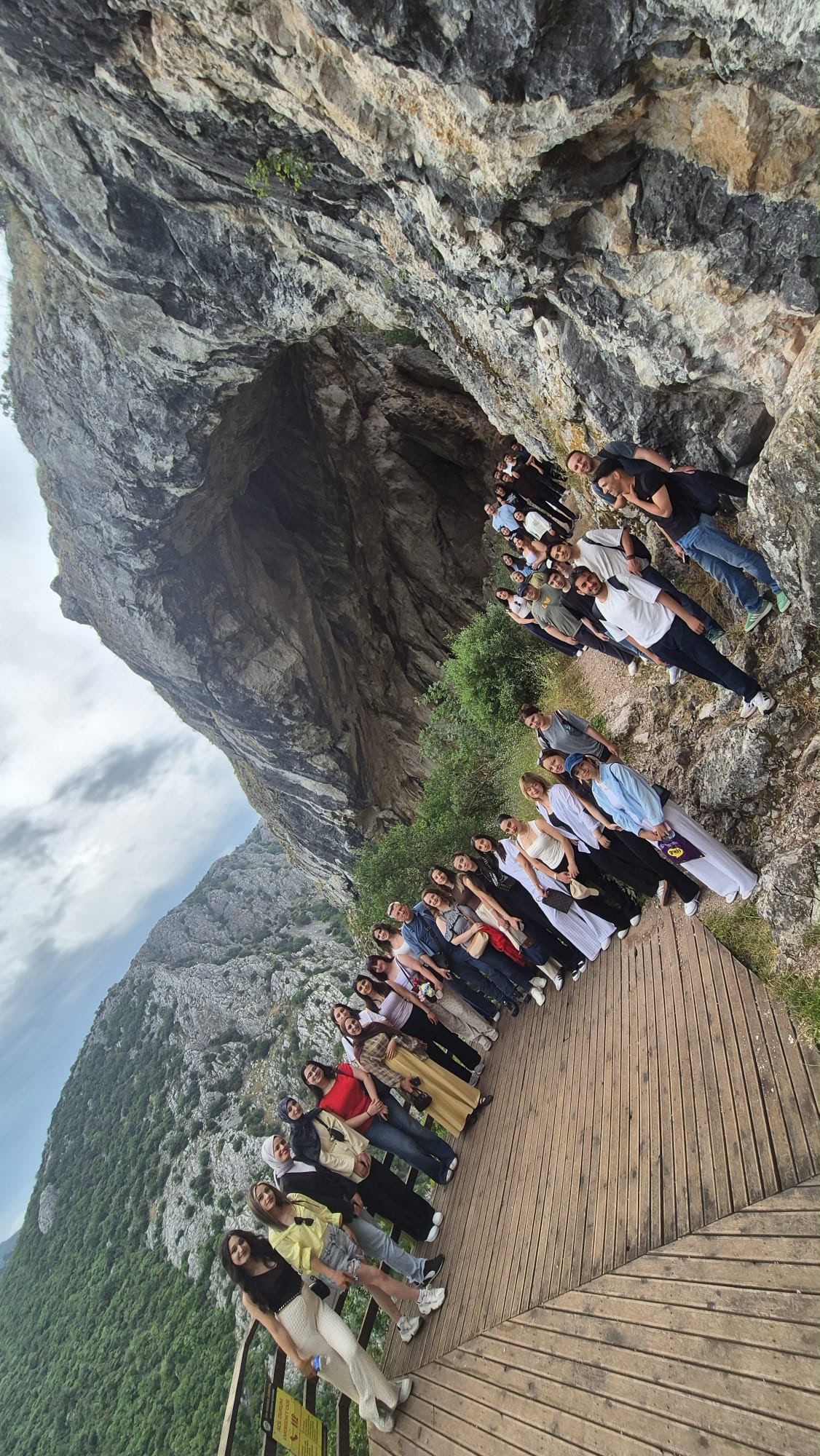
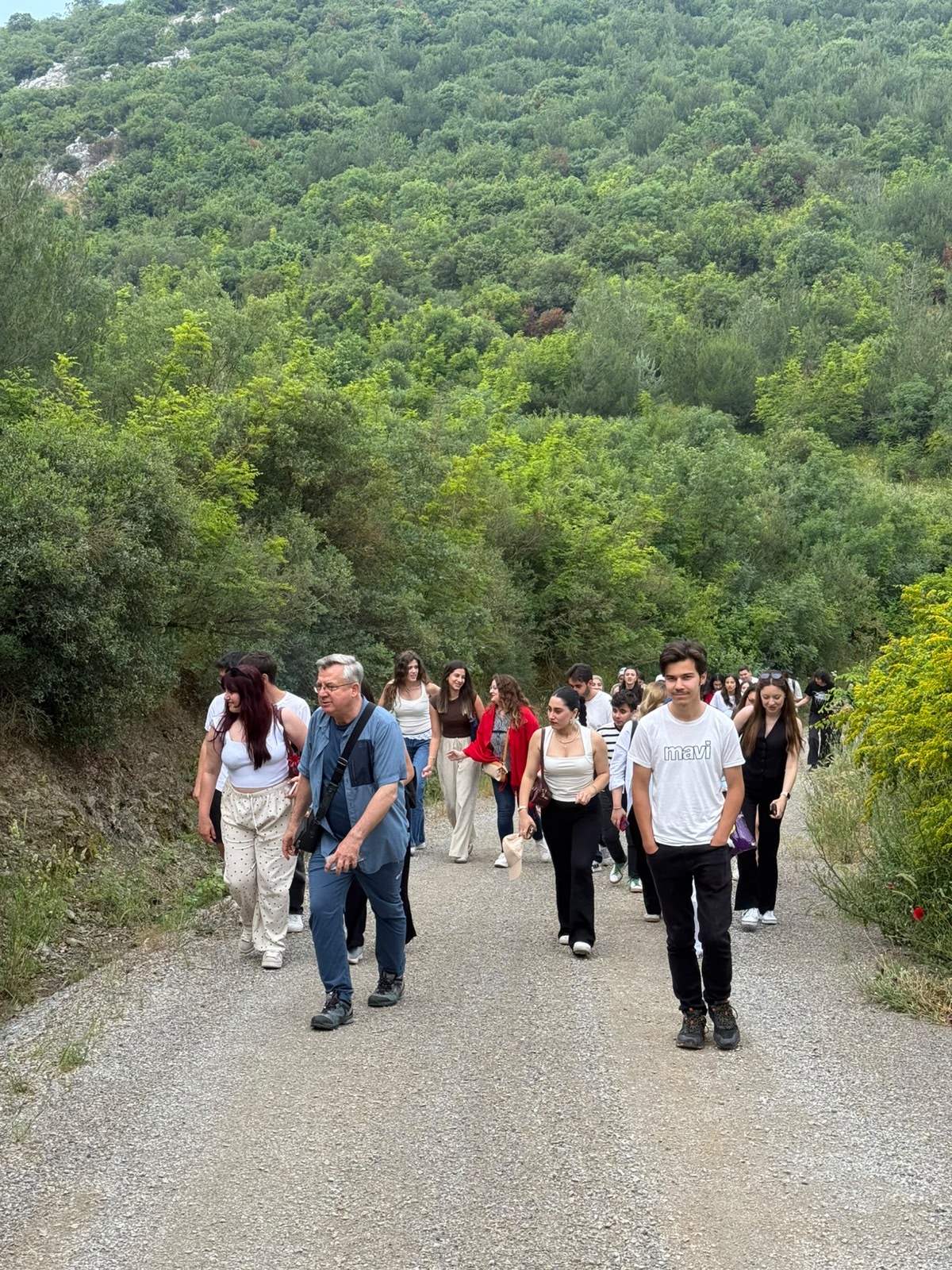
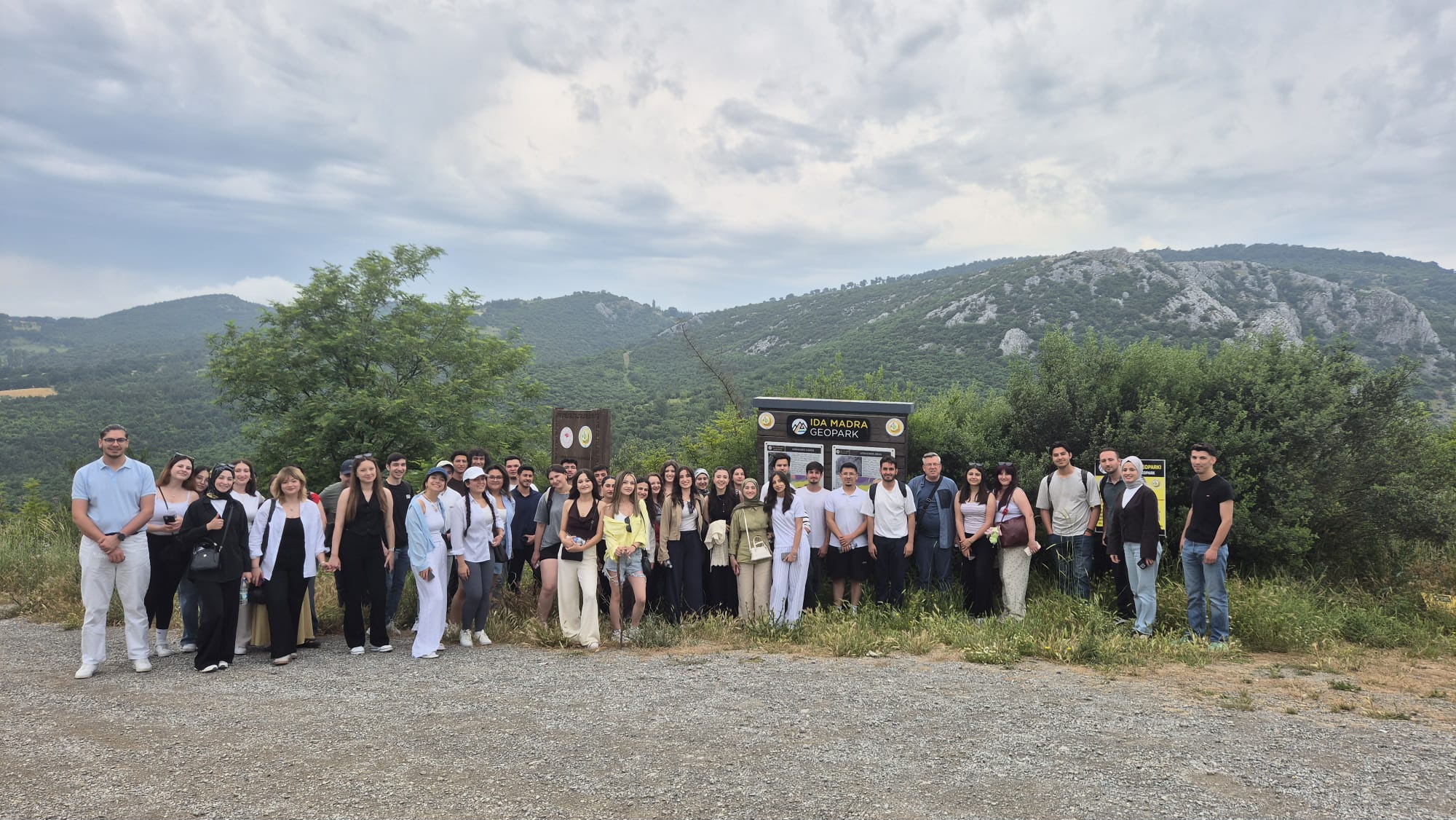
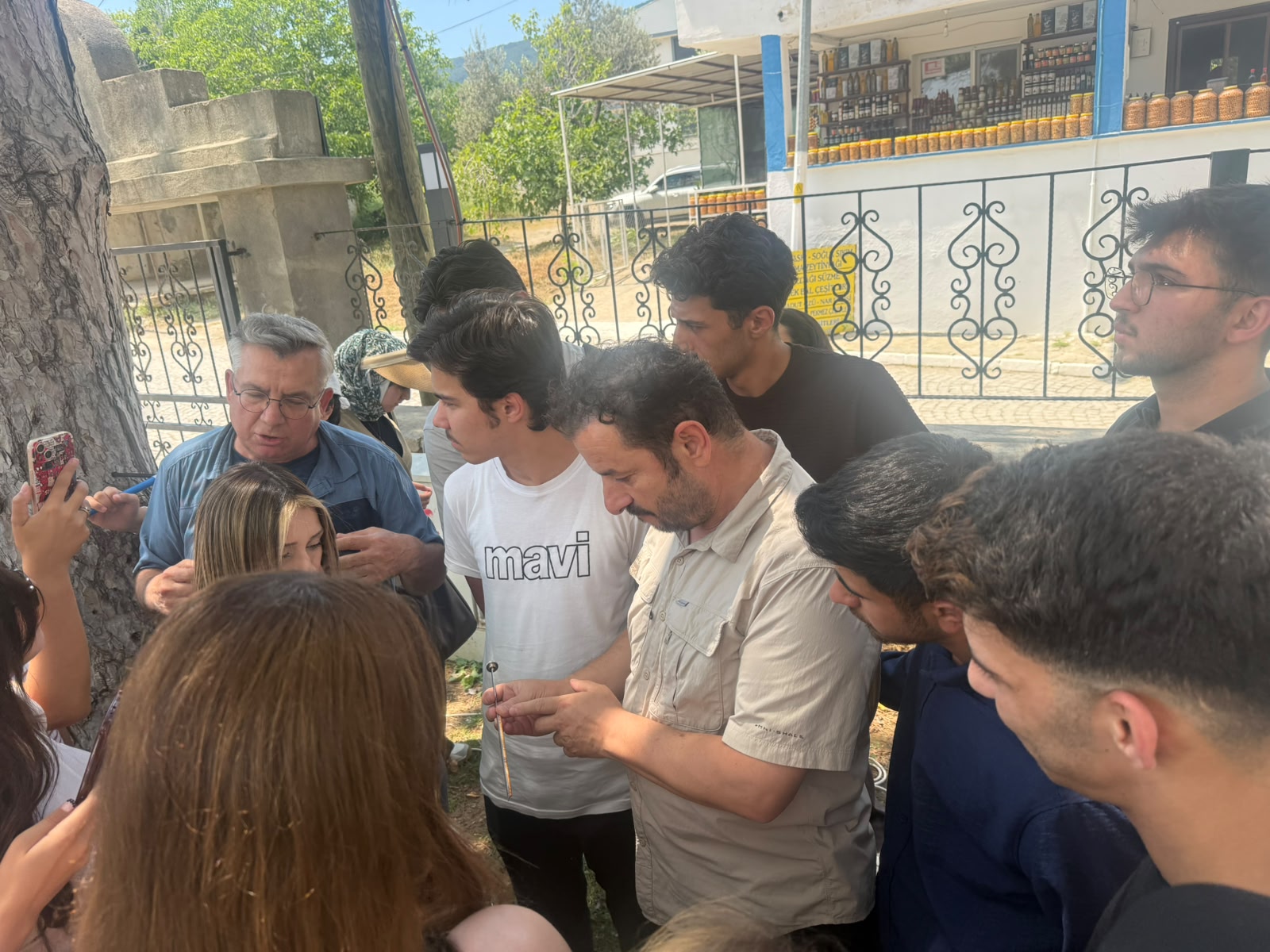
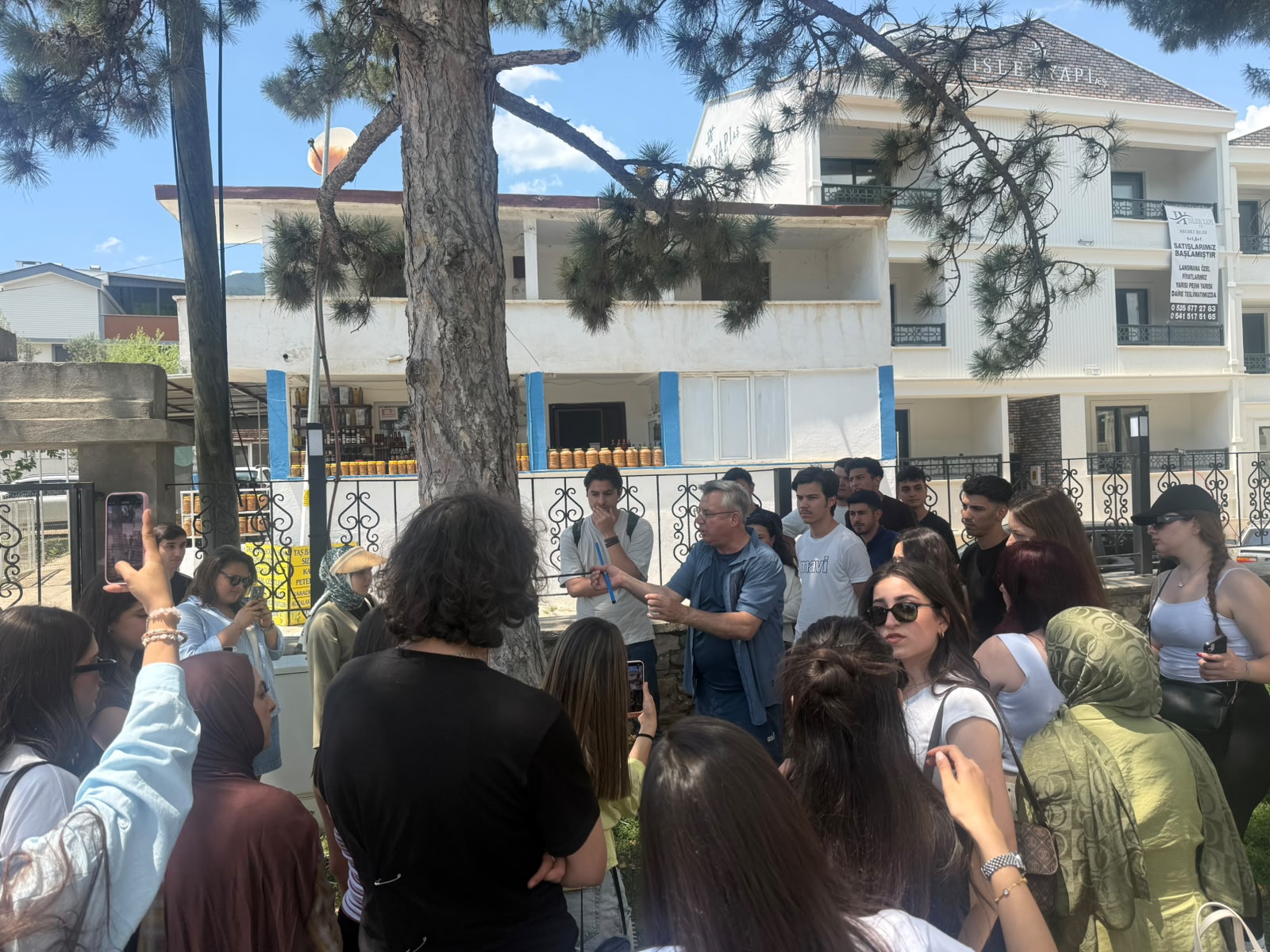
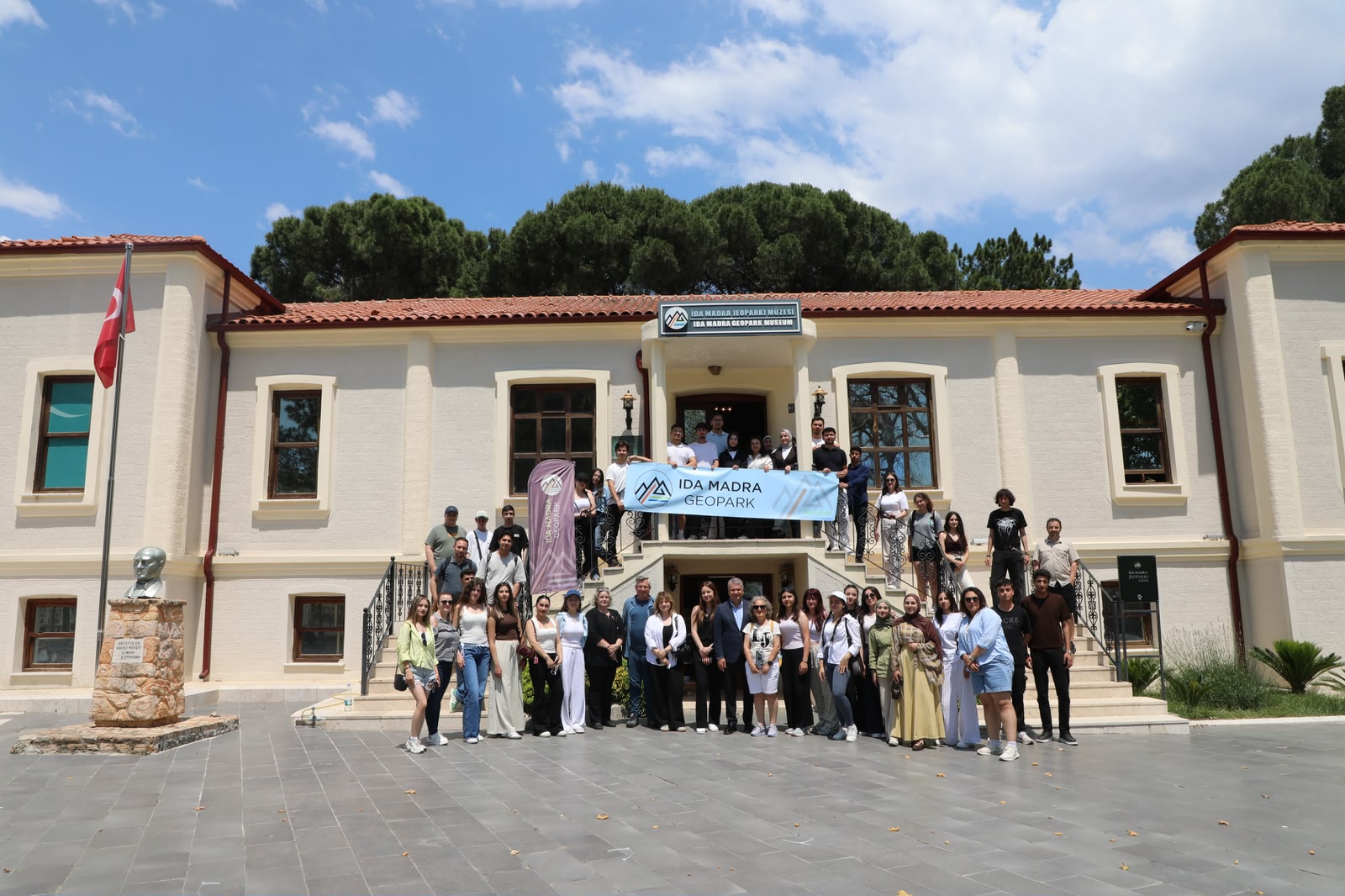
On Friday, June 5, 2026, our department students conducted a comprehensive fieldwork in the Ida Madra Geopark area to reinforce their theoretical knowledge in the field. As part of the program, they visited İvrindi Gökkemer (Deliktaş), Havran City Museum, Ida Madra Geopark Museum, Antandros Ancient City, and Kazdağı Museum, examining the geological, cultural, and historical values of the region on-site.
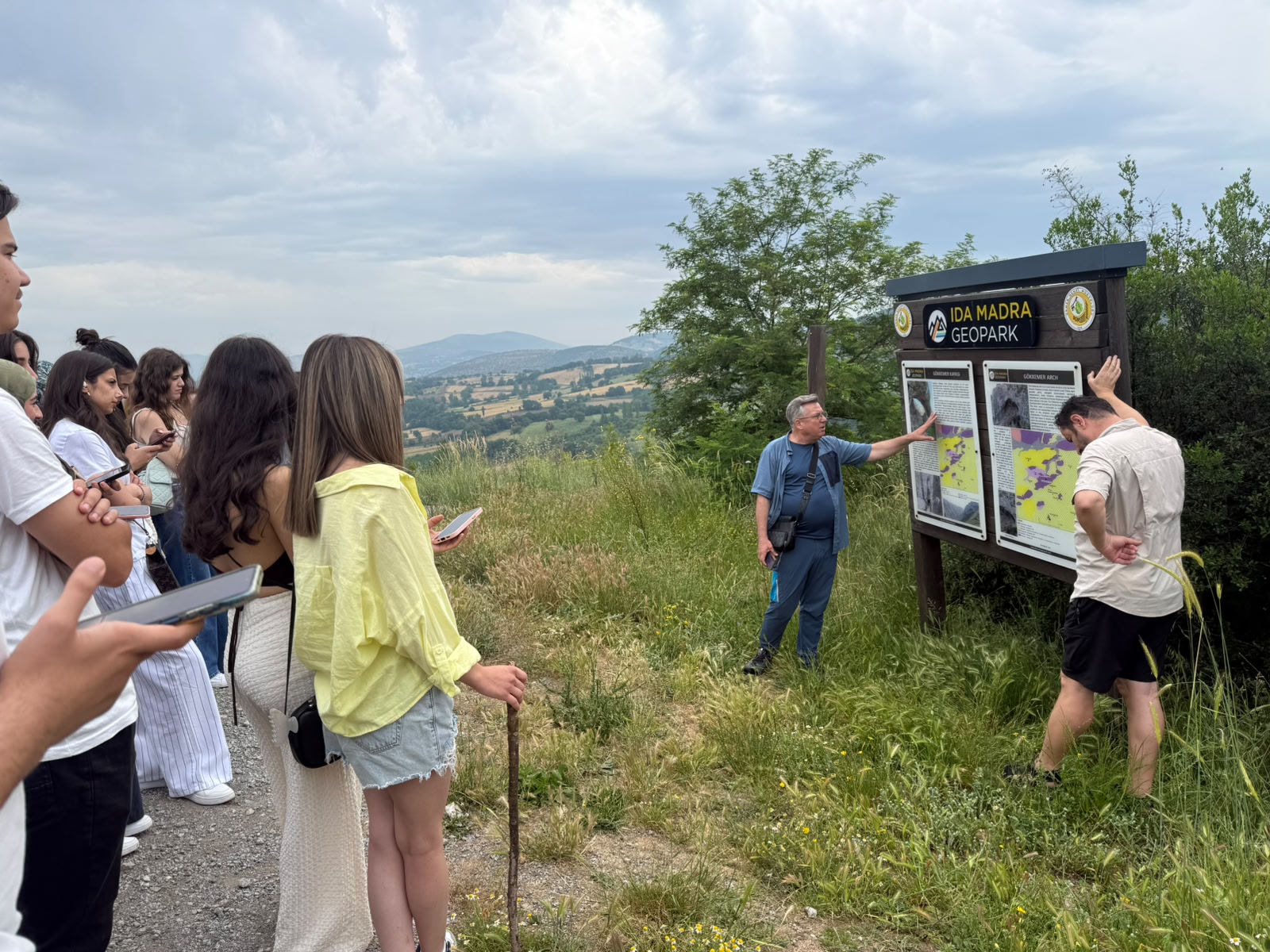
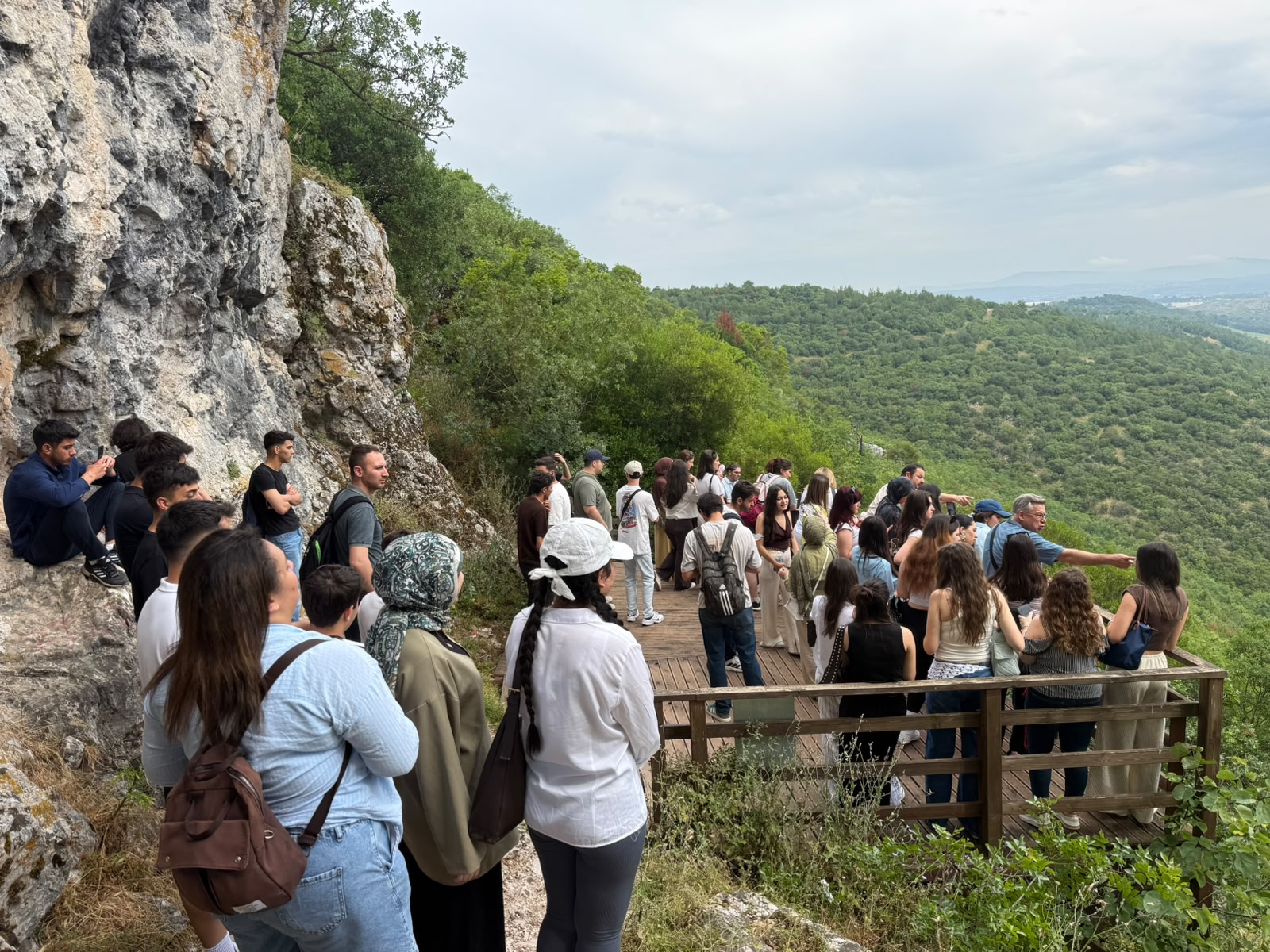
İvrindi Gökkemer (Deliktaş), one of the first stops on the fieldwork, attracted great interest from the students. This unique natural structure, formed millions of years ago from the collapse of the ceiling of a karst cave and its inability to keep pace with the rapid geological rejuvenation of the surrounding area, serves as an important example for understanding the geological evolution of the region. Furthermore, the geotourism potential of Gökkemer, and the opportunities it offers for activities such as nature walks and rock climbing, were also evaluated in the field. The wooden walking paths in the area provided students with an opportunity to make important observations regarding sustainable nature tourism.
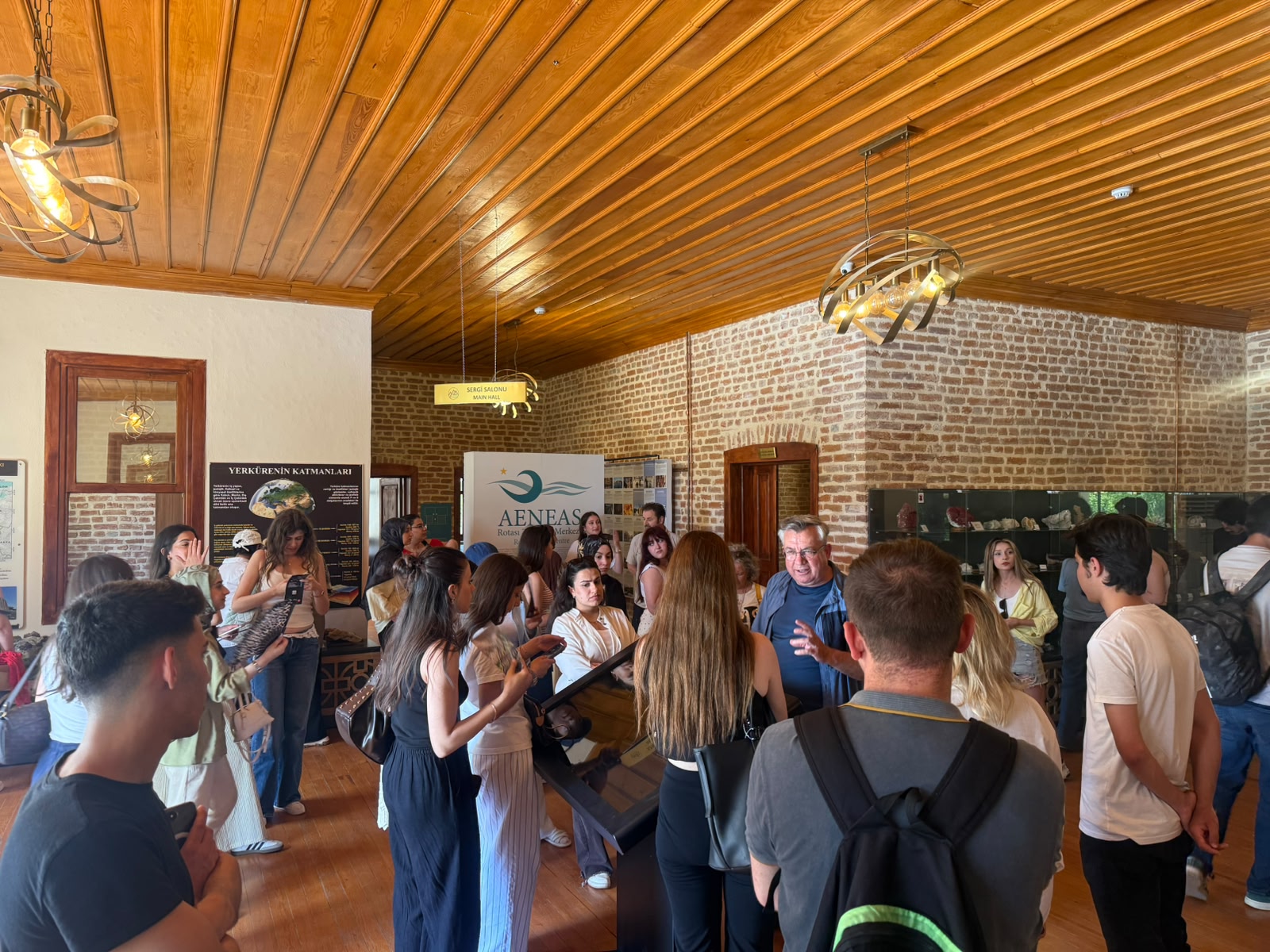
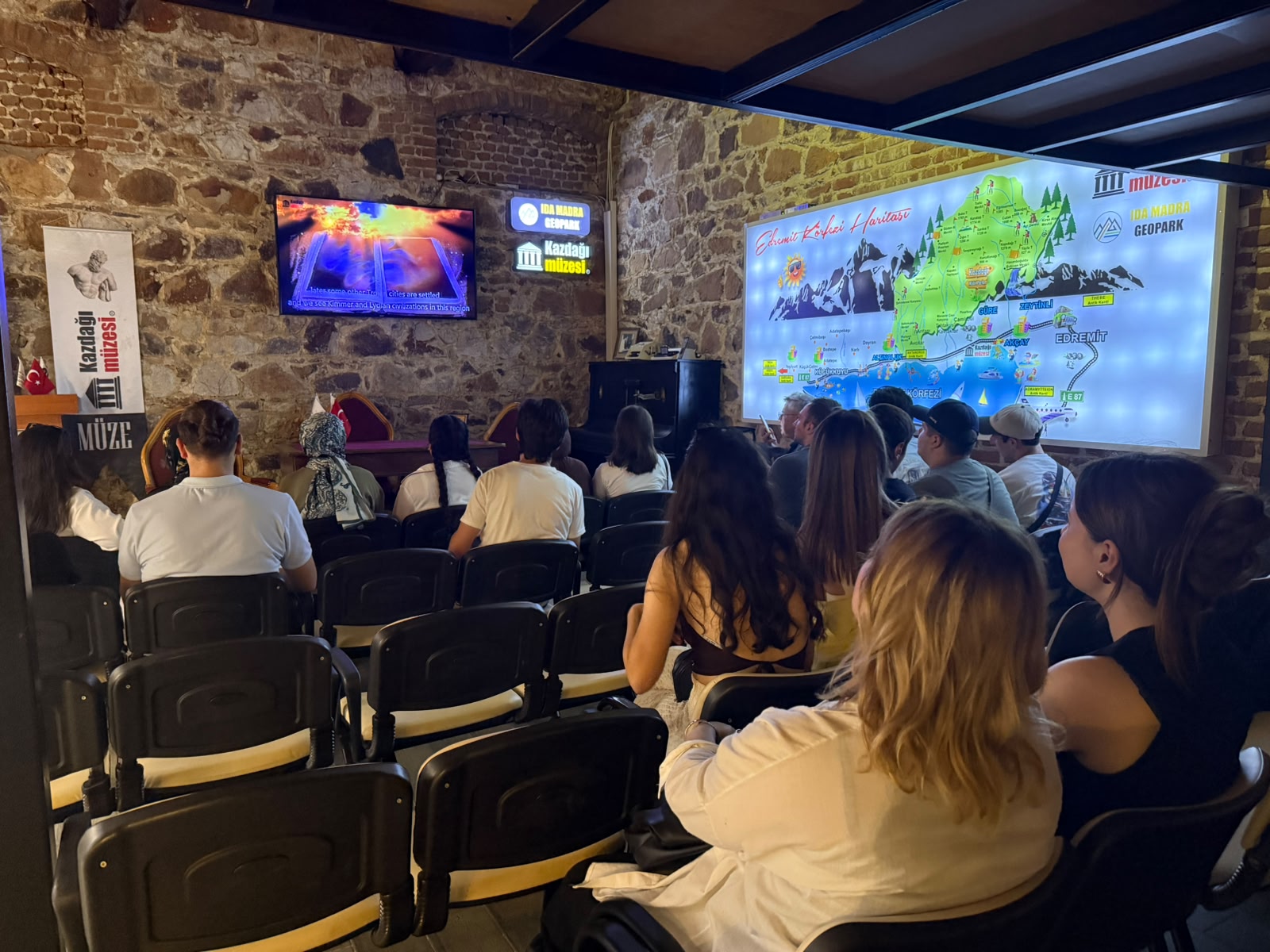
During a visit to the Ida Madra Geopark Museum, students learned about the concept of geoparks, conservation, and sustainable use by examining exhibits related to the region's natural and cultural heritage. In this context, the students were informed about the Ida Madra Geopark's goal of protecting and integrating its rare geosite features, such as canyons, caves, basalt columns, and the Gökkemer arch, into tourism.
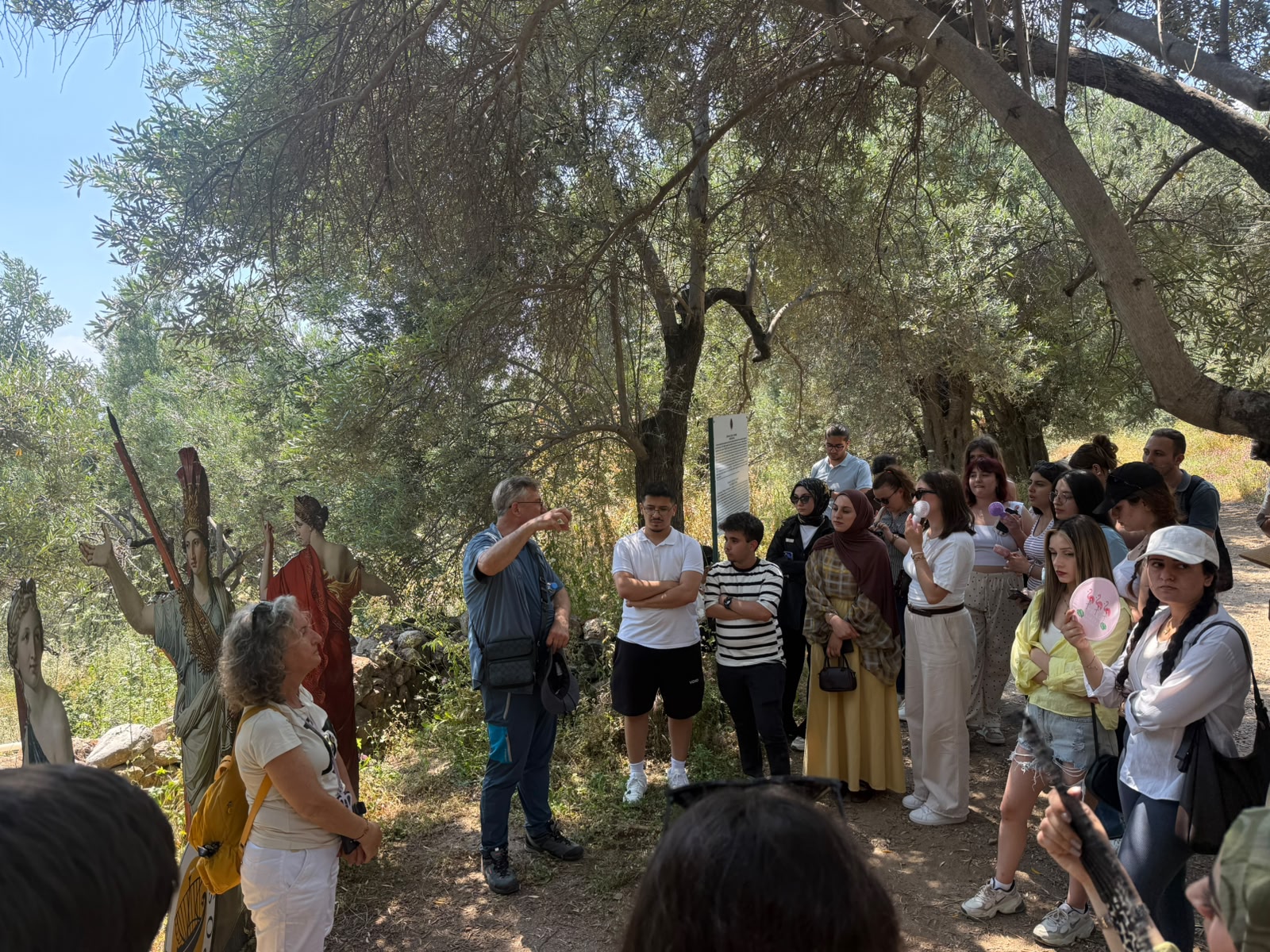
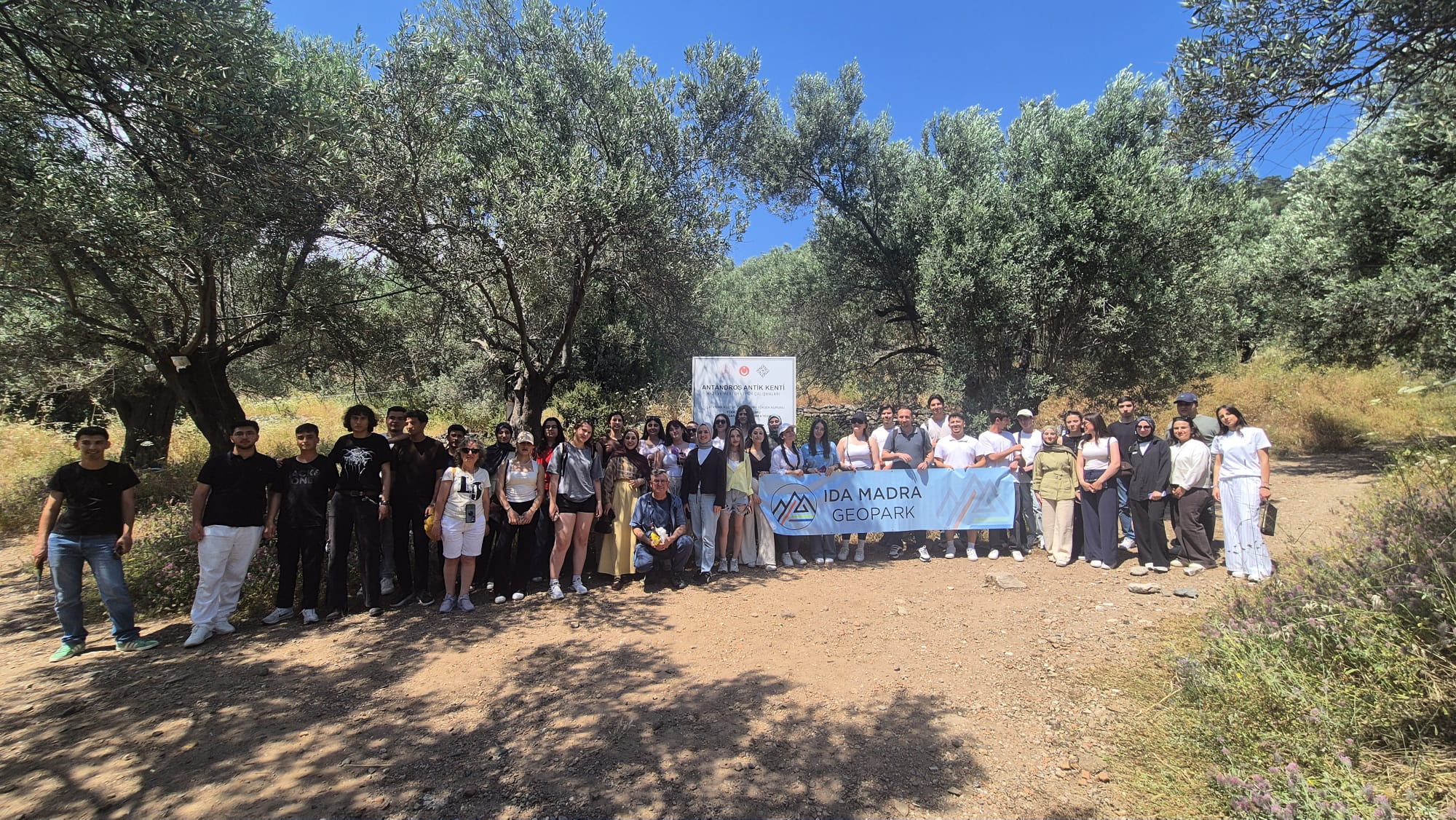
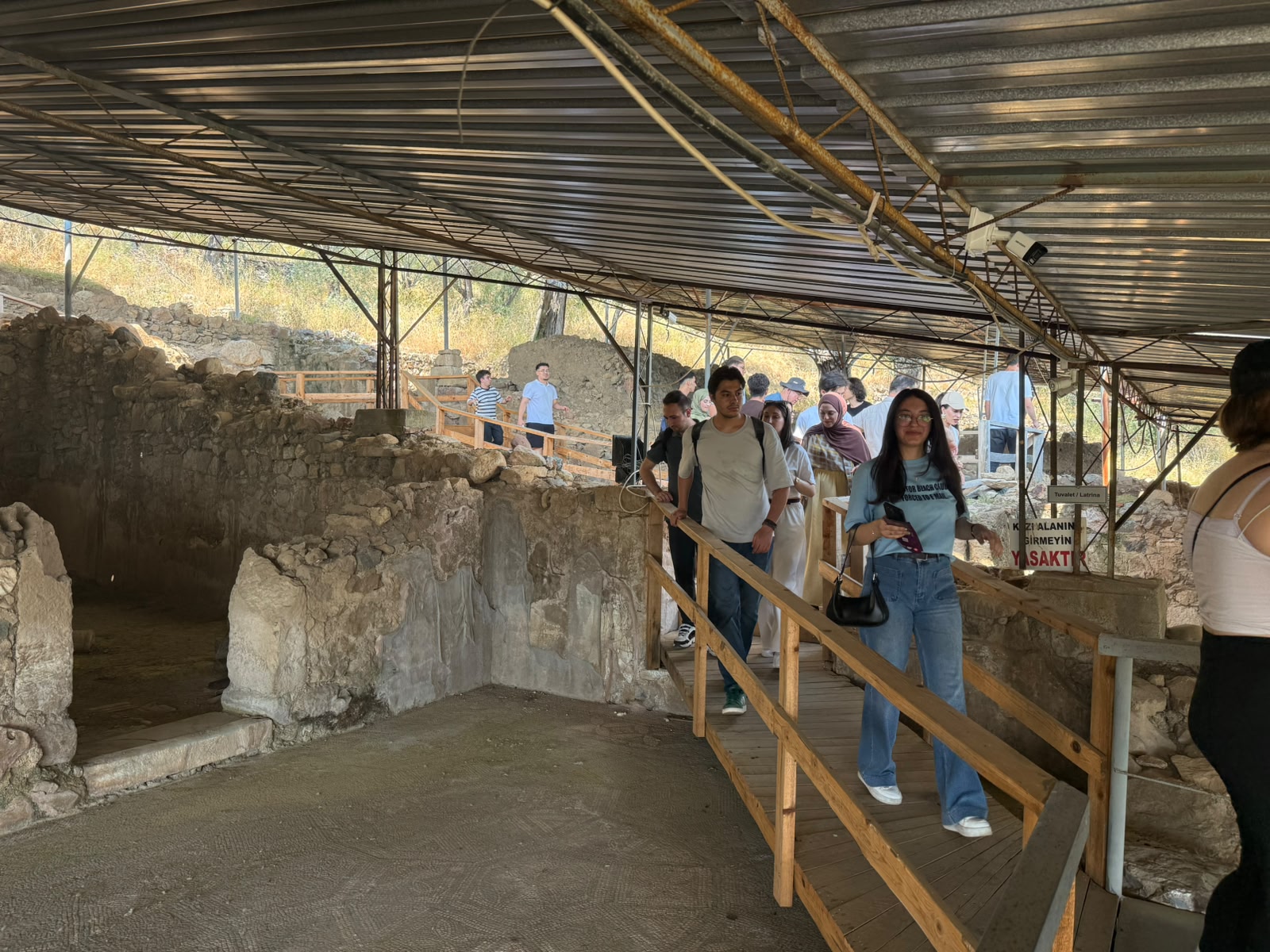
Another important stop on the program was the ancient city of Antandros, where students examined the relationship between ancient settlements and their natural environment from a historical geography perspective. A visit to the Kazdağı Museum provided comprehensive information about the region's natural resources and biogeographical features.
Through this field study, students had the opportunity to observe geomorphological formations, cultural heritage elements, and geopark management concepts firsthand; they also developed their geographical knowledge and skills through practical application. Our department will continue to enhance students' field experience and strengthen their academic achievements through similar activities.